Hotel renovation is no longer a cosmetic exercise. In today’s hospitality landscape, refurbishment projects are strategic operations aimed at repositioning assets, strengthening brand alignment and increasing long-term value.
For owners, operators and investment groups, renovation represents an opportunity to redefine market positioning while optimizing performance. Within this context, design and build partners play a critical role, not simply as contractors, but as strategic collaborators capable of delivering integrated solutions.
Hotel Renovation as an Asset Strategy
Across the global hospitality sector, renovation cycles are accelerating. Properties must adapt to:
- Evolving guest expectations.
- Brand standard updates.
- Competitive destination markets.
- ESG and sustainability requirements.
- Operational efficiency demands.
However, beyond operational updates, refurbishment increasingly serves as an asset repositioning strategy.
A well-executed renovation can:
- Increase ADR and RevPAR potential.
- Extend the lifecycle of the property.
- Strengthen brand recognition.
- Enhance investor confidence.
- Improve long-term portfolio performance.
This shift requires a partner capable of understanding both the creative and structural dimensions of hospitality transformation.
The Role of Themed and Experiential Design in Hospitality Repositioning
In the hospitality contract sector, themed and experiential design should not be misunderstood as decorative enhancement. At strategic level, it becomes a tool for spatial coherence and brand integration.
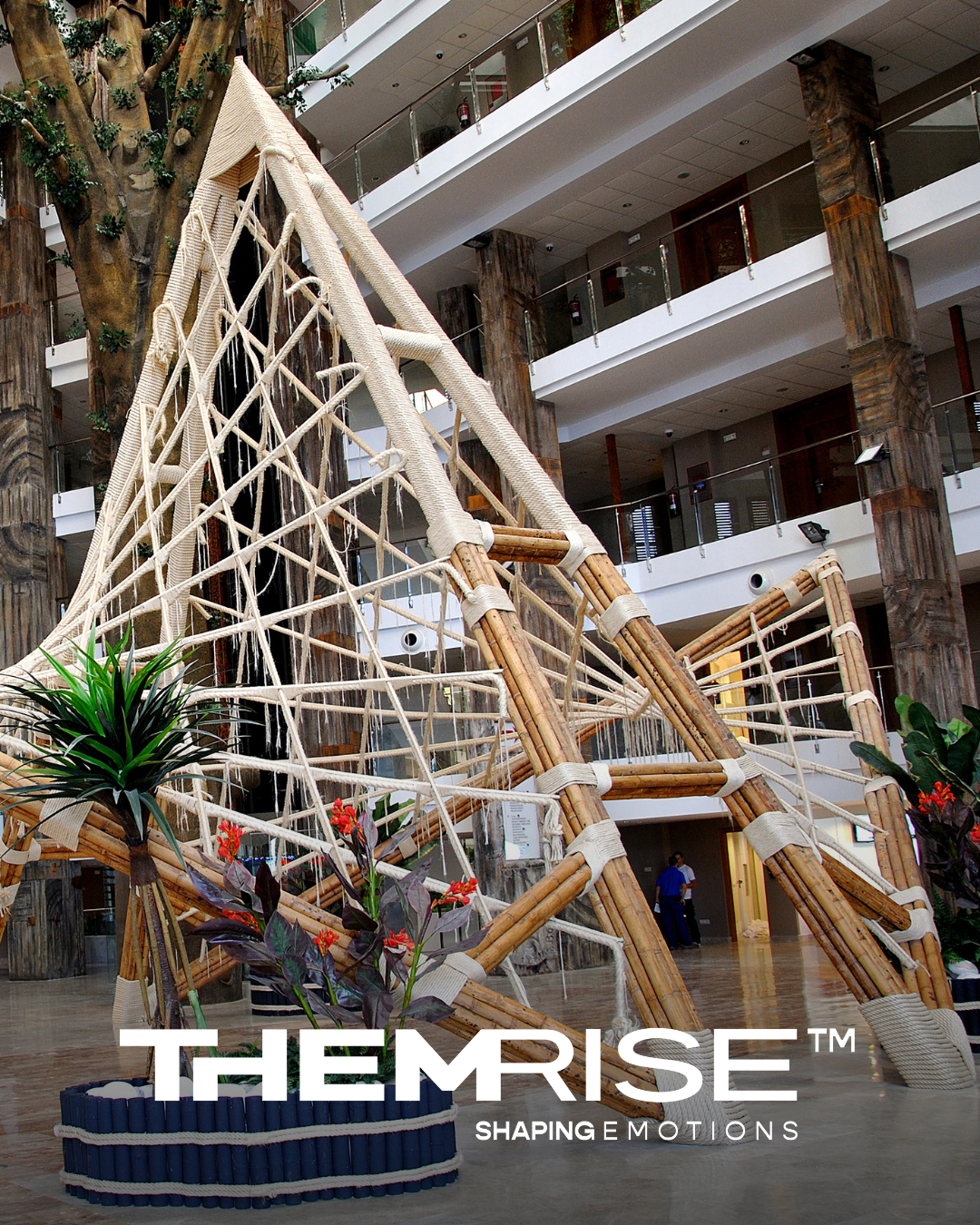
The integration of custom-built elements, architectural theming and bespoke fabrication allows hotels to:
- Create distinct identity within competitive markets.
- Align physical space with brand narrative.
- Introduce signature architectural features.
- Reinforce consistency across public areas and guest environments.
Rather than isolated aesthetic gestures, these interventions contribute to a unified and performance-driven transformation.
Delivering Renovation at Scale: A Contract Sector Perspective
Hospitality renovations are complex undertakings. They often involve:
- International ownership structures.
- Active properties operating during refurbishment.
- Tight phasing and construction schedules.
- Coordination across multiple disciplines.
Success depends on seamless integration between concept design, engineering, fabrication and installation.
In this context, strategic partners must provide:
- Multidisciplinary teams.
- In-house production capabilities.
- Technical expertise in bespoke elements.
- Experience operating in international hospitality environments.
Integrated design-and-build capabilities reduce risk, streamline coordination and ensure that the renovation strategy translates effectively into physical space.
International Hospitality Transformation: Aligning Vision and Execution
Large-scale hospitality projects increasingly require alignment between investment vision and spatial execution.
Owners and asset managers seek partners who understand:
- The operational realities of hotel environments.
- The importance of durability and compliance.
- The need for efficient logistics and international delivery.
- The balance between brand standards and local identity.
Transforming a hospitality asset demands more than design sensitivity. It requires technical precision, production capacity and execution reliability.
THEMRISE as a Strategic Hospitality Partner
Within the hospitality and contract sector, THEMRISE approaches renovation projects as long-term value operations rather than short-term aesthetic upgrades.
By integrating design, engineering, fabrication and installation, we support owners and operators in delivering coherent and scalable transformations across international markets.
From early concept development to on-site implementation, our role extends beyond execution. We collaborate to ensure that spatial identity, technical performance and asset strategy remain aligned throughout the process.
Conclusion
The future of hospitality renovation lies in strategic transformation.
As hotels and resorts evolve to meet new market demands, design becomes a critical lever for repositioning and long-term value creation. Within the contract sector, success depends on partners capable of combining creative vision with technical execution and operational understanding.
Hotel renovation is no longer about updating interiors.
It is about transforming assets.